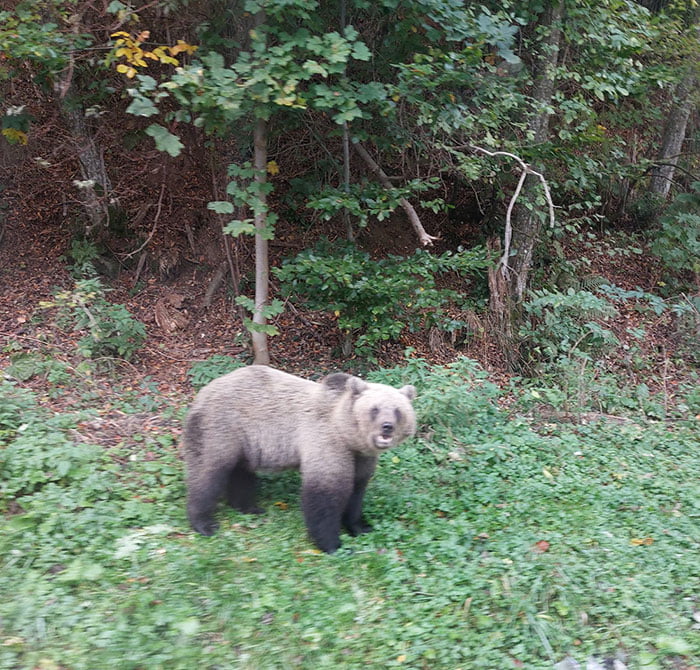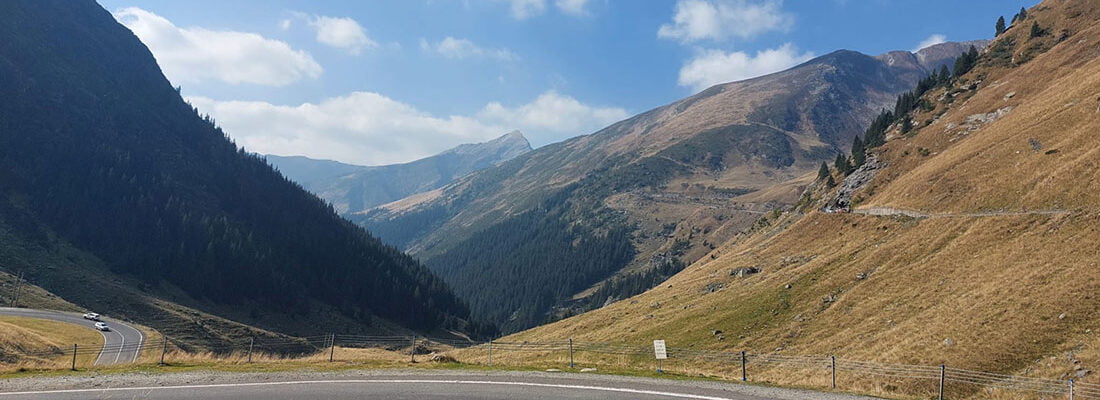
The Transfăgărășan is 151 km long and connects Muntenia to Transylvania, crossing the Făgăraș Mountains (the Transylvanian Alps). The road was built at the request of Nicolae Ceaușescu, the former Romanian dictator. Construction began in 1969 and was completed after 5 years, in 1974.

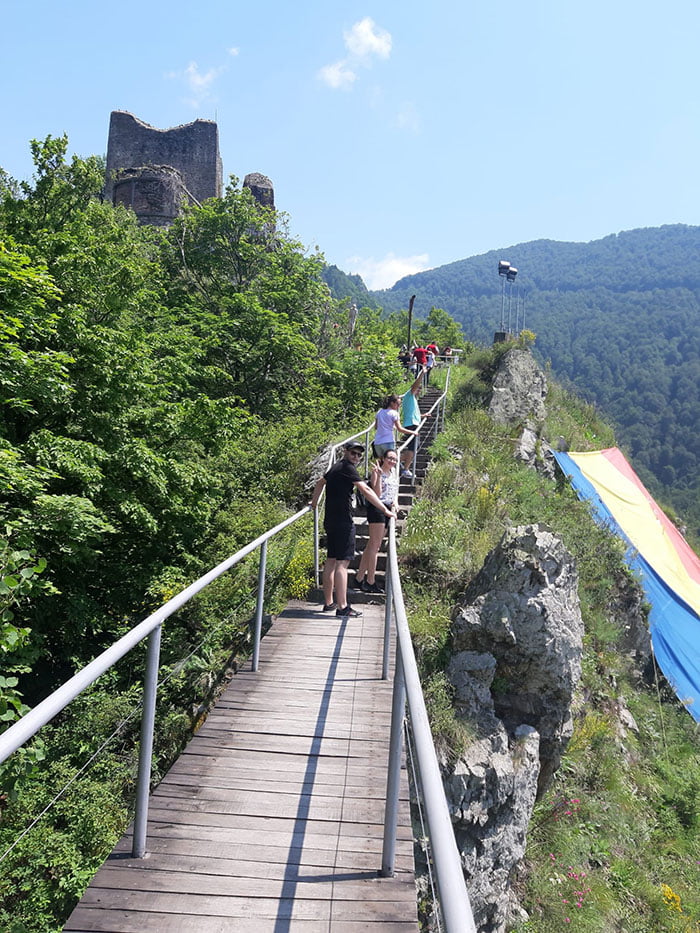
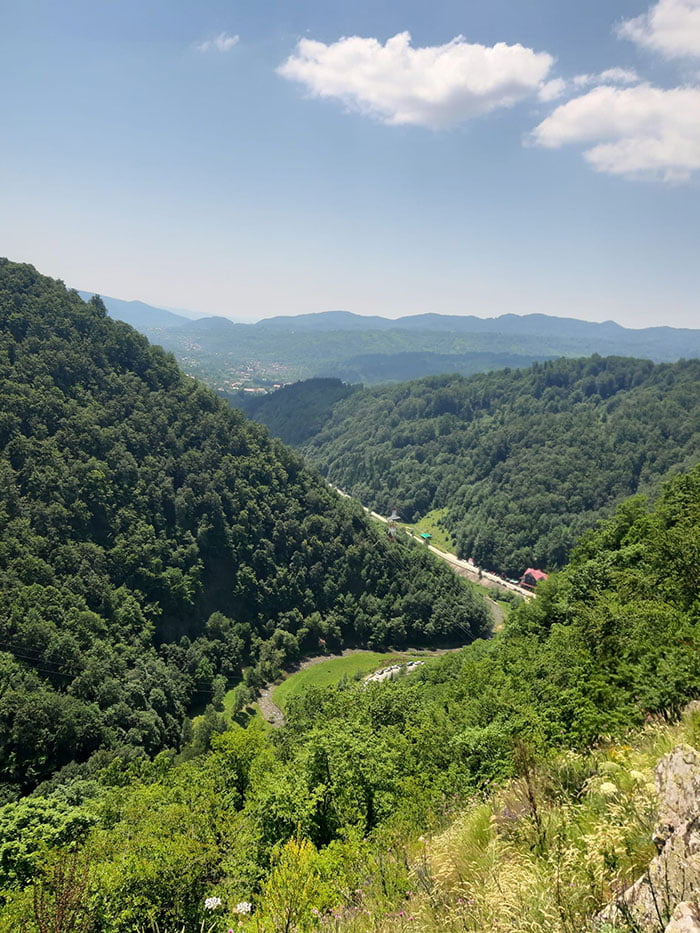
The Transfăgărășan starts in the village of Bascov, near Pitești. It follows the Argeș Valley, passing through Curtea de Argeș and then by the Vidraru Hydroelectric Power Plant and Poenari Fortress. From there, the road winds up in sharp turns to the Vidraru Dam, which was built between 1960 and 1966. Vidraru Lake, one of the largest projects of communist Romania, sits at an altitude of 850 meters and spans over 800 hectares. The lake is 10.3 km long and reaches a maximum depth of 155 meters. When it was completed, the dam was the 8th tallest in Europe.
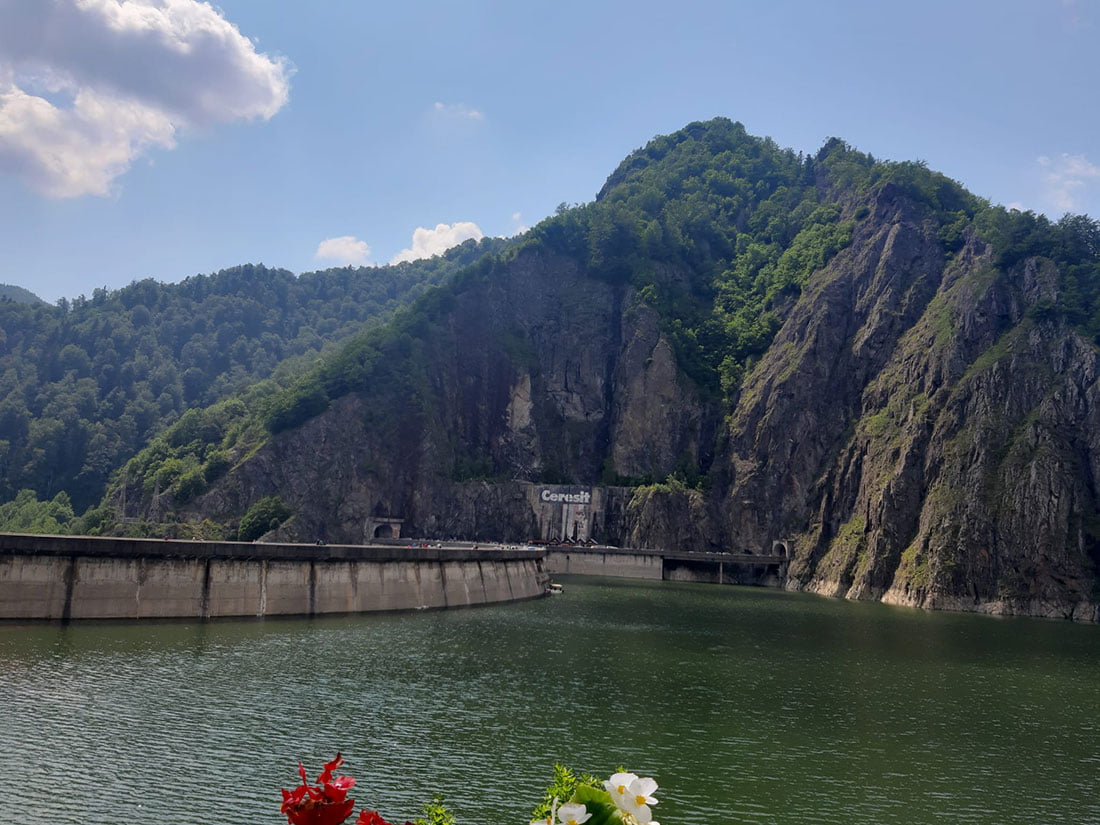
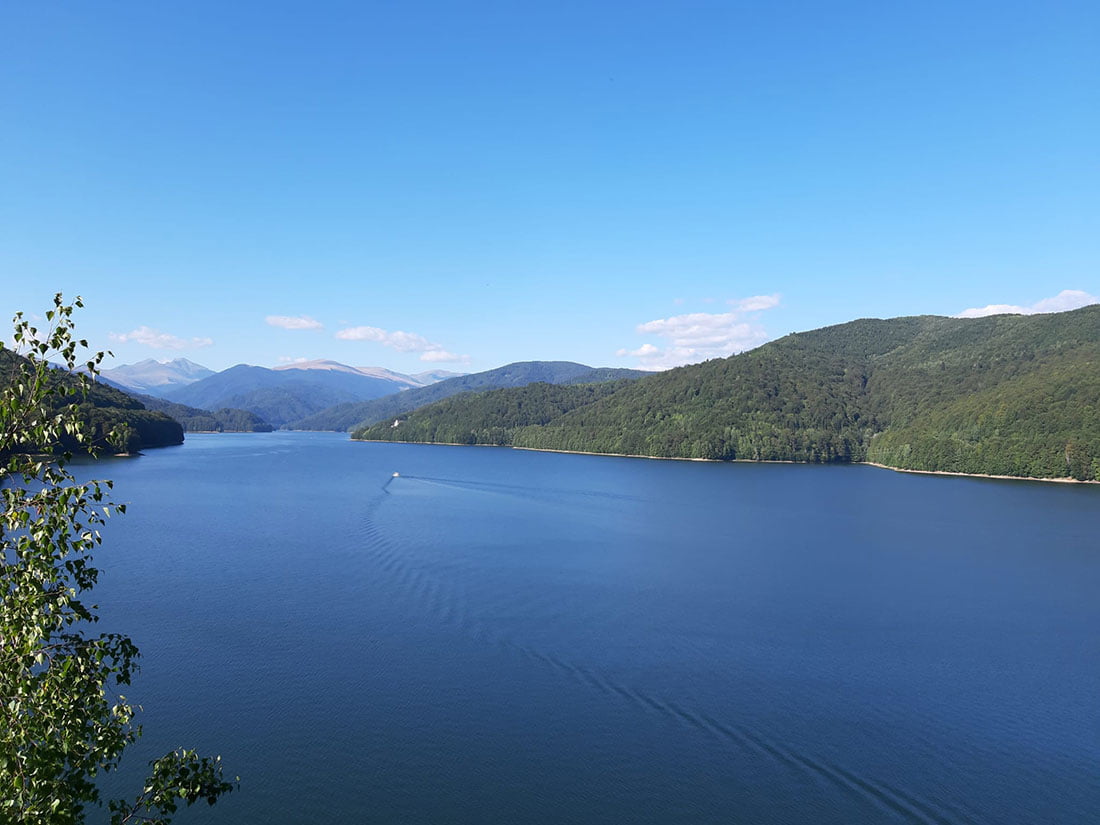
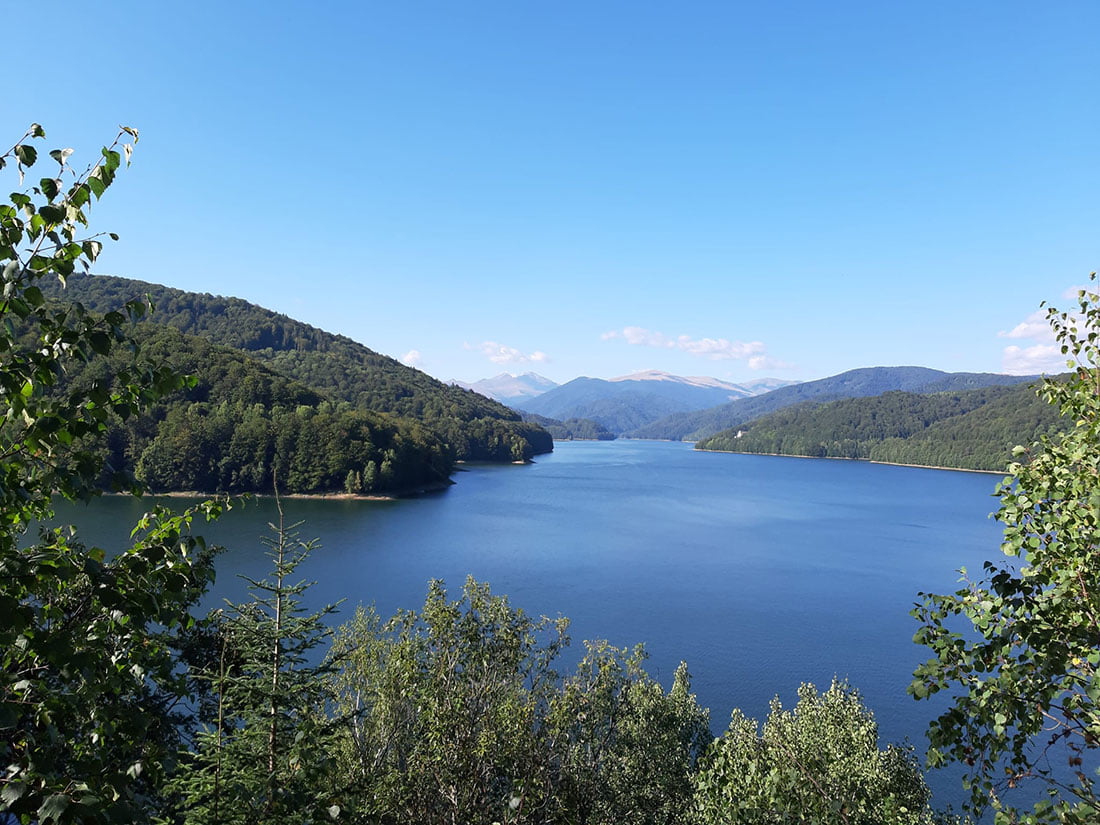
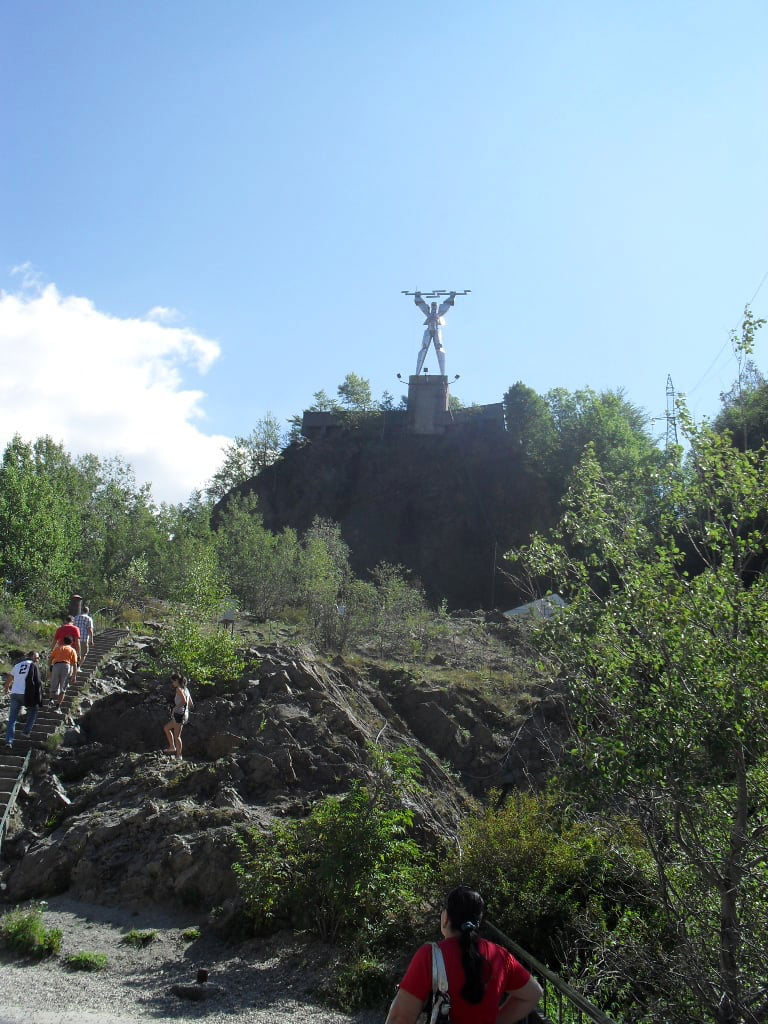
The Vidraru Dam area offers many recreational activities, like boat rides, windsurfing, rowing, water skiing, and bungee jumping from 166 meters high. Another highlight is the Prometheus Statue, also called the Monument of Electricity. This 10-meter-tall metal statue represents the figure who stole fire from the gods.
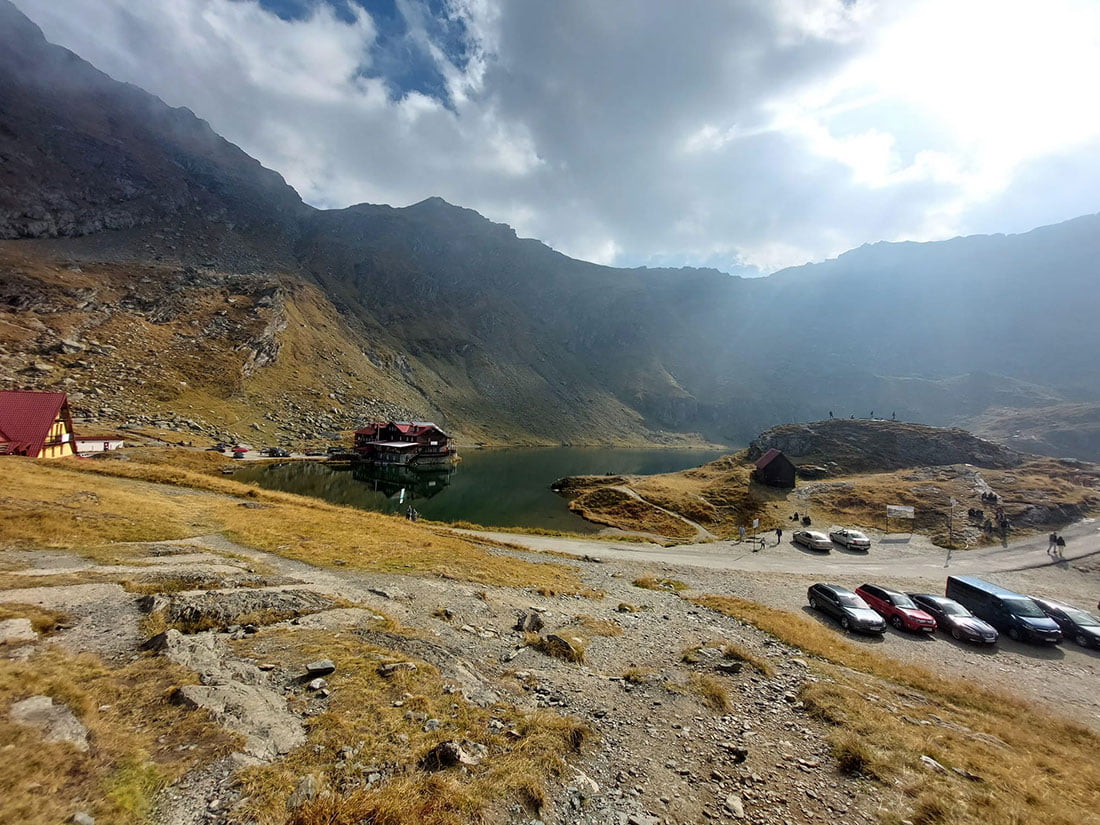
From the dam, the Transfăgărășan continues along the lake, winding up to Capra Cabin and the Capra-Bâlea Tunnel, which is 882 meters long. At the end of the tunnel is Lake Bâlea, a glacial lake, and Bâlea Cabin, located at 2,034 meters above sea level. The lake and its surrounding 180 hectares are a protected scientific reserve. The area is beautiful year-round, offering skiing and skating in the winter. Since 2006, an ice church and hotel have been built here each winter. Visitors can stay overnight in warm sleeping bags and furs, with indoor temperatures between -2°C and +2°C.
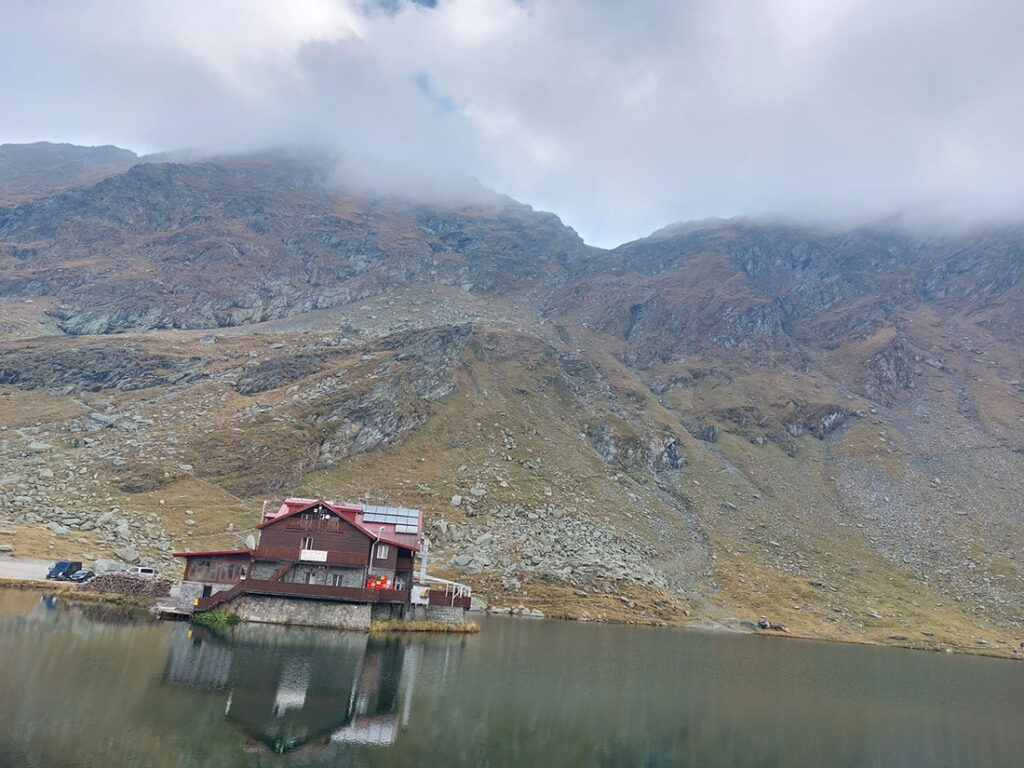
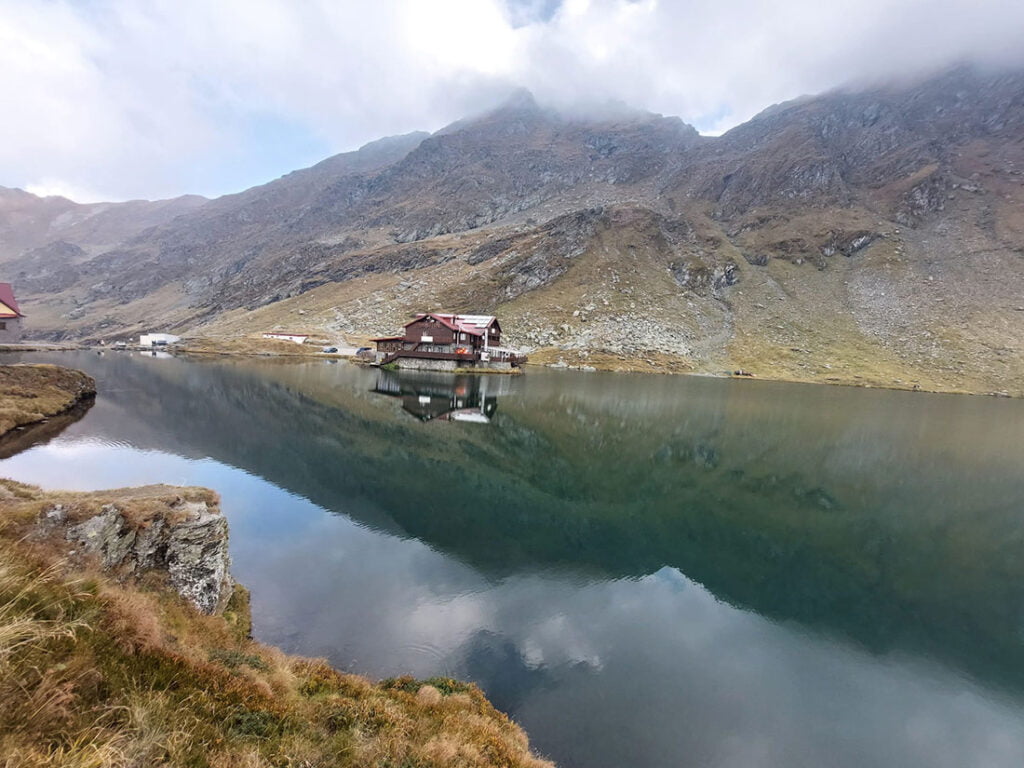
For mountain lovers, there are plenty of trails to explore. You can hike to Șaua Caprei, Șaua Paltinului, and even Negoiu Peak, Romania’s second-highest mountain at 2,535 meters. From Lake Bâlea, you can also reach Bâlea Waterfall, the largest stepped waterfall in Romania, with a 60-meter drop. There’s also a cable car that connects the cabin to the waterfall.

The Transfăgărășan ends at the intersection with DN1 between Sibiu and Brașov, near the village of Cârțișoara.
In conclusion, the Transfăgărășan is more than just a road—it’s an unforgettable journey through Romania’s beautiful landscapes and rich history. With its winding mountain paths, amazing views, and activities for all seasons, it’s a place that offers something for everyone. Whether you visit in summer or winter, the Transfăgărășan is a must-see destination that shows off the best of Romania.